5340013951146
Price Quote Get an up to date pricing and availability quote for this product. Order online or over the phone.
Quality Commitment
Serving our customers with quality and safety first.
- AS9120 Certified
- Audited supply chain
- ITAR Registered
- DDTC Registered
- HAZMAT Certified
- Customer service objectives
- Every product 100% inspected
5340-01-395-1146 Specification Set by the OEM (see RNCC code 3)
plain
0.795in.
0.670in.
two 1/4 rigid mounting nuts in the center section and two 10-32 floating nuts in the first leg
3.340in.
0.205in.
0.158in.
0.212in.
1.000in.
0.630in.
2.001in.
3.340in.
2.115in.
0.585in.
0.250in.
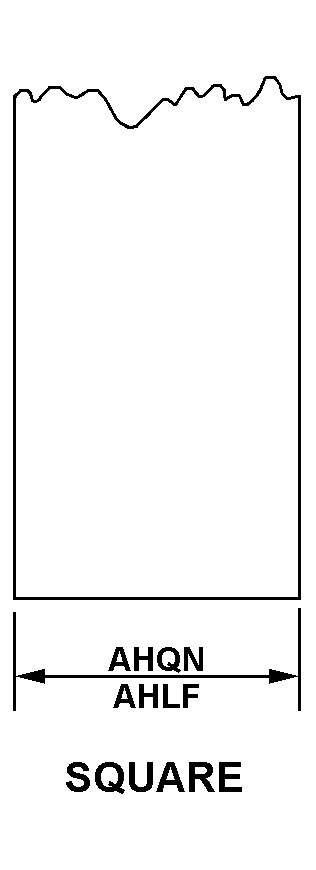
square
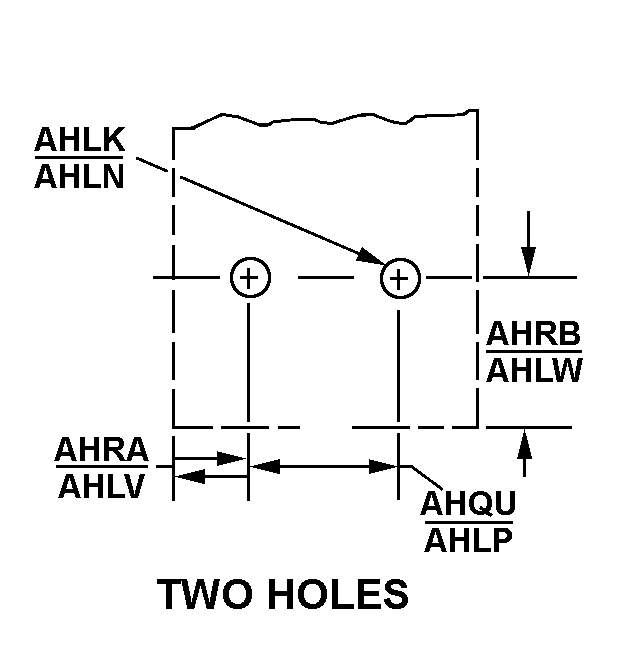
two holes
square
nut
not identical
90.0 degrees
90.0 degrees
two mounting holes in center section in relation to first leg AA0.410, from side to side aa 0.610 either side. hole dia. 2.780
aluminum
anodize
adjacent angles
Cross Reference Parts Part numbers that meet the specification outlined on this page and set by the OEM
Identification Item Identification Guide (IIG) and Item Name Code (INC)
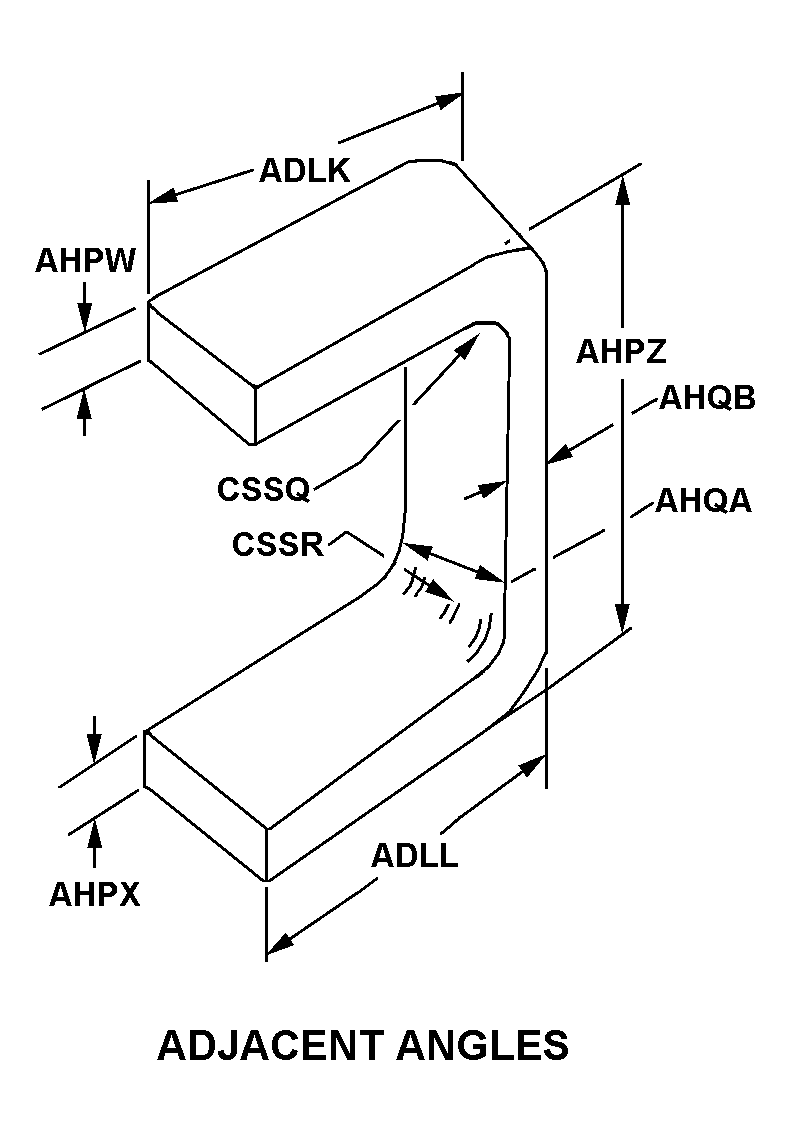
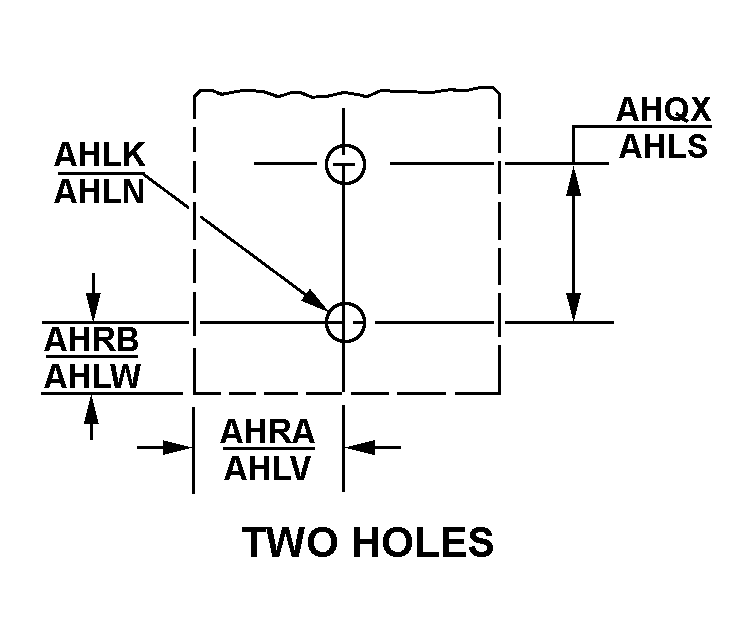
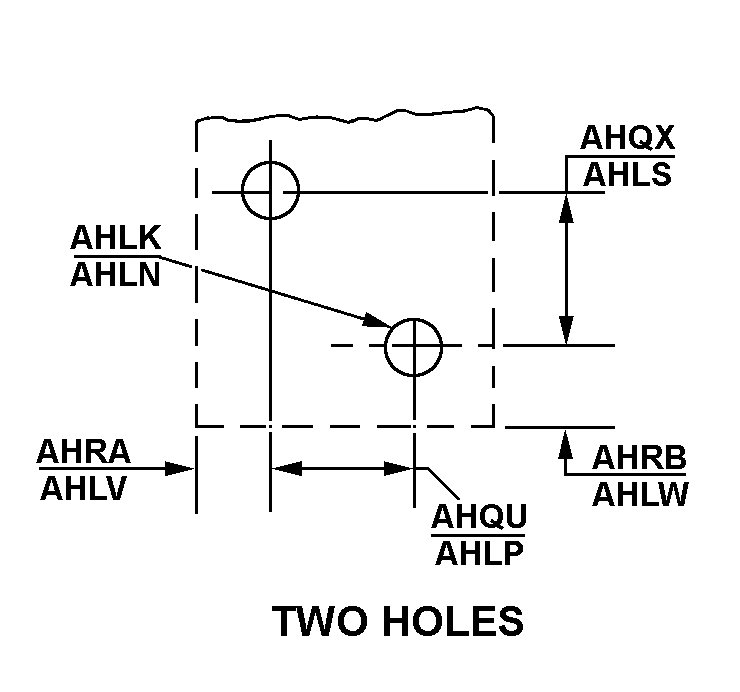
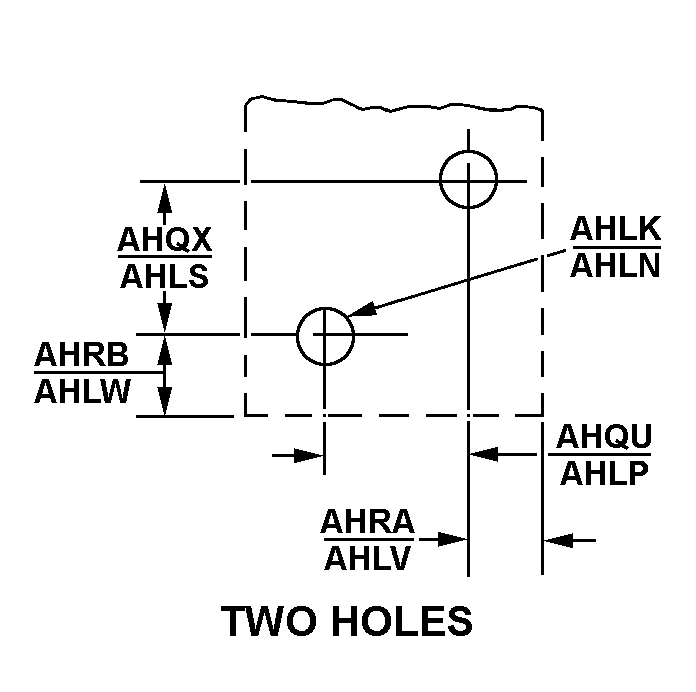
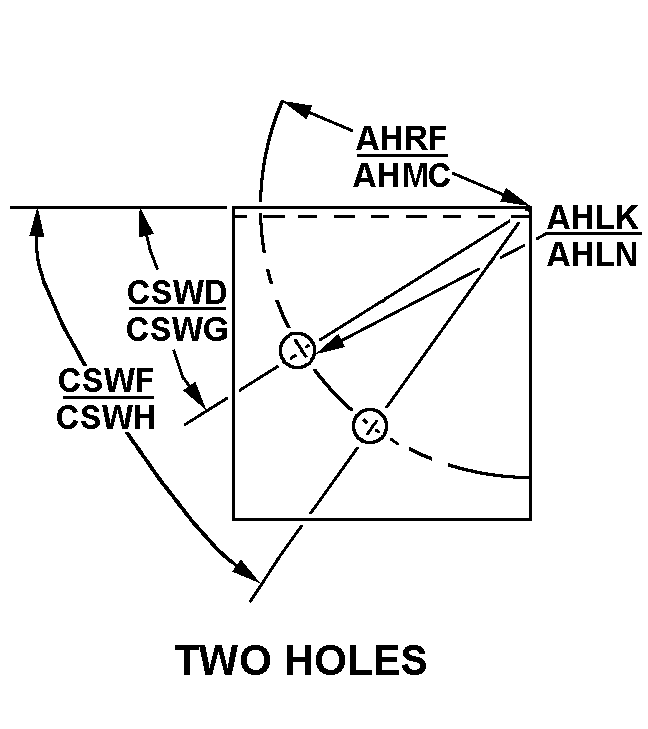
Definition Definition of approved item name (AIN): "BRACKET,DOUBLE ANGLE"
A rigid item usually fabricated from flat material, forming two alternate or two adjacent interior angles, both which are less than 180 degrees (3.141 radians). It is designed to position, align, and/or support an item. It may be reinforced. See also bracket, angle and bracket (1), mounting.
5340-01-395-1146 Material Hazmat, Precious Metals, Criticality, Enviroment, and ESD
Indicates there is no information in the hmirs. The nsn is in a fsc in table ii of fed std 313 and a msds may be required by the user. The requirement for a msds is dependent on a hazard determination of the supplier or the intended end use of item.
Item does not contain precious metal.
No known electrostatic discharge (esd) or electromagnetic interference (emi) sensitivity.
Represents items with no adp components
The item does not have a nuclear hardened feature or any other critical feature such as tolerance, fit restriction or application.
Identification Codes
HMIC: Hazardous Material Indicator Code. A one position code that identifies a hazardous item.
PMIC: Precious Metal Indicator Code. A one position code which identifies items that have precious metals as part of their content. precious metals are those metals generally considered to be uncommon, highly valuable, and relatively superior in certain properties such as resistance to corrosion and electrical conductivity.
ESD: Electrostatic Discharge. Indicates if an item is susceptible to electrostatic discharge or electromagnetic interference damage. electrostatic discharge damage occurs when an accumulation of static electricity generated by the relative motion or separation of materials is released to another item by direct contact. electromagnetic interference damage occurs when an item comes into proximity with an electrostatic or magnetic field.
ENAC: Enviromental Attribute Code. Identifies items with environmentally preferred characteristics.
CRITL: Criticality Indicator Code. Indicates an item is technically critical by tolerance, fit, application, nuclear hardness properties, or other characteristics.